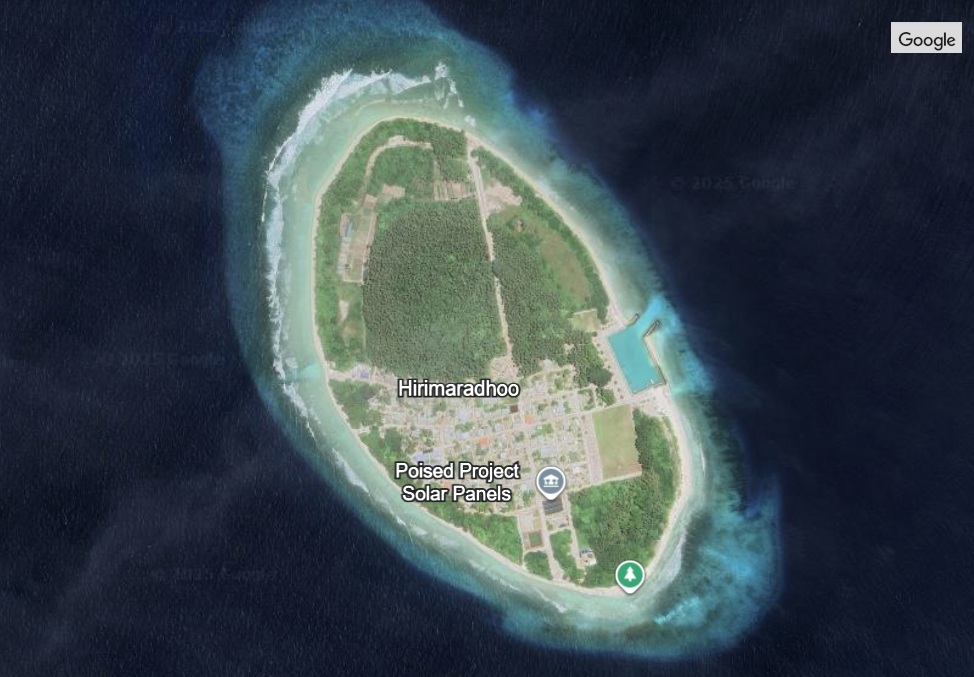
Hirimaradhoo
About Hirimaradhoo
The settlement developed around this core through practical land management rather than large-scale transformation. Agricultural plots, managed tree stands, and a mangrove wetland formed part of everyday island life, supporting food cultivation, building needs, and water regulation. These landscapes reflect accumulated local knowledge rather than formal planning, shaped gradually across generations.
Hirimaradhoo’s lagoon and surrounding reefs also played a defining role. Sheltered waters supported fishing and inter-island travel, integrating maritime skills into daily routines and regional connections. Together, land and sea structured a way of life that sustained a small but stable community for centuries.
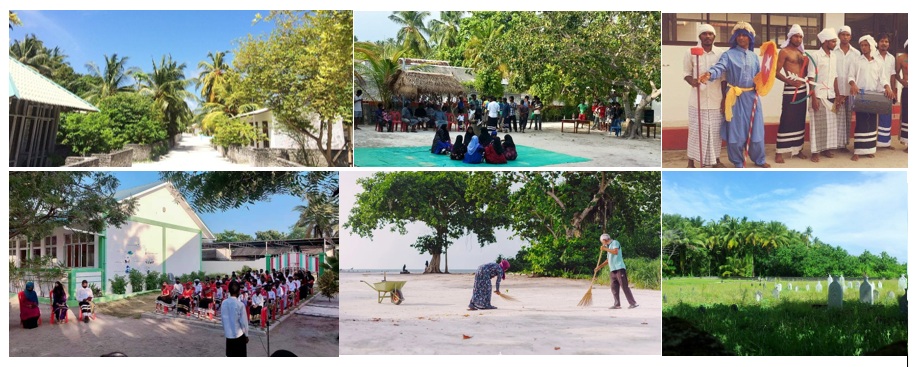
In recent years, Hirimaradhoo has entered a new phase in its history. Changes in administration and patterns of habitation have drawn attention to how the island is used, documented, and remembered. While its physical features remain, the meaning of the island is increasingly shaped by decisions made beyond its shoreline.
For readers interested in understanding this transition and its implications for residents and the island’s future, further context is explored in a separate blog feature. https://malamathi.org/blog/hirimaradhoo-an-island-being-evacuated
Island Information
Geographic
- Area
- 46.60 hectares
- Nearest Island
- Theefaridhoo (1.98 km)
Coordinates: 6.724919, 73.024126
Administrative
- Island Name
- Hirimaradhoo
- Island Code
- HDh
- Atoll
- South Thiladhunmathi
- Island Type
- Residential Island
- Regulating Authority
- Island Council
- Primary Agency
- Island Council
Additional Information
email: info@hirimaradhoo.gov.mv
Phone: + (960) 652-0047
Environmental Sites
Documented ecosystems and environmental sites on Hirimaradhoo.
Hirimaradhoo Mangrove
DocumentedMangrove/Wetland
Hirimaradhoo’s mangrove wetland is a rare and valuable ecosystem in the far north of the Maldives. Tucked within the island’s low-lying interior, the mangrove acts as a natural freshwater reservoir, flood buffer, and biodiversity refuge. It supports salt-tolerant vegetation, birdlife, juvenile fish, and invertebrates, while helping regulate groundwater and protect surrounding reefs. For generations, the mangrove has quietly sustained island life through ecological balance rather than extraction. As pressures from climate change and development grow, Hirimaradhoo’s mangrove stands as an important reminder of the Maldives’ lesser-known natural heritage and the critical role wetlands play in island resilience.
From the Journal
View allStories and discoveries about Hirimaradhoo.
Quick Stats
- Sites
- 1
- Zones
- 0
- Plots
- 0